What Is Skilled Nursing Care and When Is It Needed After a Hospital Stay?
Key Takeaways
- Skilled nursing care is short term, medically necessary care provided after a hospital stay by licensed professionals, focused on rehabilitation and a safe return home.
- Core services include 24/7 nursing supervision, physical therapy, occupational therapy, speech therapy, wound care, and complex medication management.
- Medicare and other insurance often help pay for skilled nursing when strict medical criteria and a qualifying hospital stay are met.
- Not every patient needs the same level of care - understanding the difference between skilled nursing, inpatient rehabilitation, and outpatient therapy helps families make the right choice.
- In Green Brook, NJ, AristaCare at Abingdon (Abingdon Care and Rehabilitation) offers post-hospital skilled nursing, long term care, and specialized memory care on one campus.
Introduction: Why Skilled Nursing Care Matters After a Hospital Stay
Every year, millions of older adults leave the hospital still needing daily nursing care and intensive rehabilitation. A hospital discharge does not always mean a patient is ready to manage recovery at home - especially after major surgery, a stroke, or a serious illness. For many, the gap between hospital care and independent daily living is too wide to bridge without professional support.
Consider a Green Brook, NJ resident discharged after hip replacement surgery in 2026. They cannot safely climb stairs, manage new medications, or bathe independently. Skilled nursing care at a rehabilitation center or nursing home fills that gap, providing the medical oversight and therapy sessions needed for short term recovery before returning home.
AristaCare at Abingdon, a skilled nursing facility in Green Brook, NJ, focuses on post-hospital rehabilitation, long term care, and memory care for older adults. This article covers what skilled nursing involves, when it is needed, how it compares to other options, and what insurance coverage may apply - so families can make an informed decision for a loved one.
What Is Skilled Nursing Care?
Skilled nursing care is medically necessary, goal-directed treatment provided by licensed health professionals - registered nurses, licensed practical nurses, and therapists - under a physician's order. Skilled nursing care requires licensed health professionals' supervision, distinguishing it from basic personal care or assistance.
Common skilled services include:
- Wound care and catheter care
- IV medications and injections
- Complex pain management and medication management
- Rehabilitation after surgery or serious illness
- Monitoring of unstable conditions like heart failure, COPD, or uncontrolled diabetes
The difference between skilled nursing and custodial care is important. Custodial care covers help with bathing, dressing, and meals - activities of daily living that do not require clinical judgment. Nursing homes provide long-term custodial care, while skilled nursing facilities offer short-term rehabilitation services alongside medical treatment. Many facilities provide both, but insurance typically covers only the skilled portion.
Skilled nursing facilities provide 24/7 medical care and supervision. At Abingdon Care and Rehabilitation, skilled nursing is integrated with rehabilitation therapies and social support, so residents receive coordinated nursing care from admission through discharge.
When Is Skilled Nursing Needed After Hospitalization?
Skilled nursing care is most often recommended right after a hospital stay when a patient is not yet safe to return home, even with family support. Patients in skilled nursing facilities often recover from surgeries or strokes, as well as severe infections like pneumonia or sepsis, complex wound or post-amputation care, and cardiac procedures.
Stroke recovery is a clear example. A recovering stroke patient may need daily physical therapy for mobility, occupational therapy for relearning basic tasks, and speech therapy for communication or swallowing difficulties - all while nurses monitor blood pressure and neurologic status around the clock.
Short term skilled stays also help stabilize complex medical conditions. A patient discharged with uncontrolled diabetes or heart failure benefits from 24/7 nursing supervision during recovery while regaining strength and mobility through structured rehabilitation services.
Physicians, hospital case managers, and families in New Jersey often choose a skilled nursing facility when a loved one needs frequent therapy sessions and nursing assessments beyond what outpatient therapy can safely provide. Choosing the right facility can maximize recovery and independence after hospitalization.
What Services Are Available in a Skilled Nursing Facility?
Modern skilled nursing facilities combine hospital-level nursing care with a rehabilitation center environment focused on recovery. The best skilled nursing facility combines 24-hour nursing support, rehabilitation, and safe discharge planning.
Core medical services include:
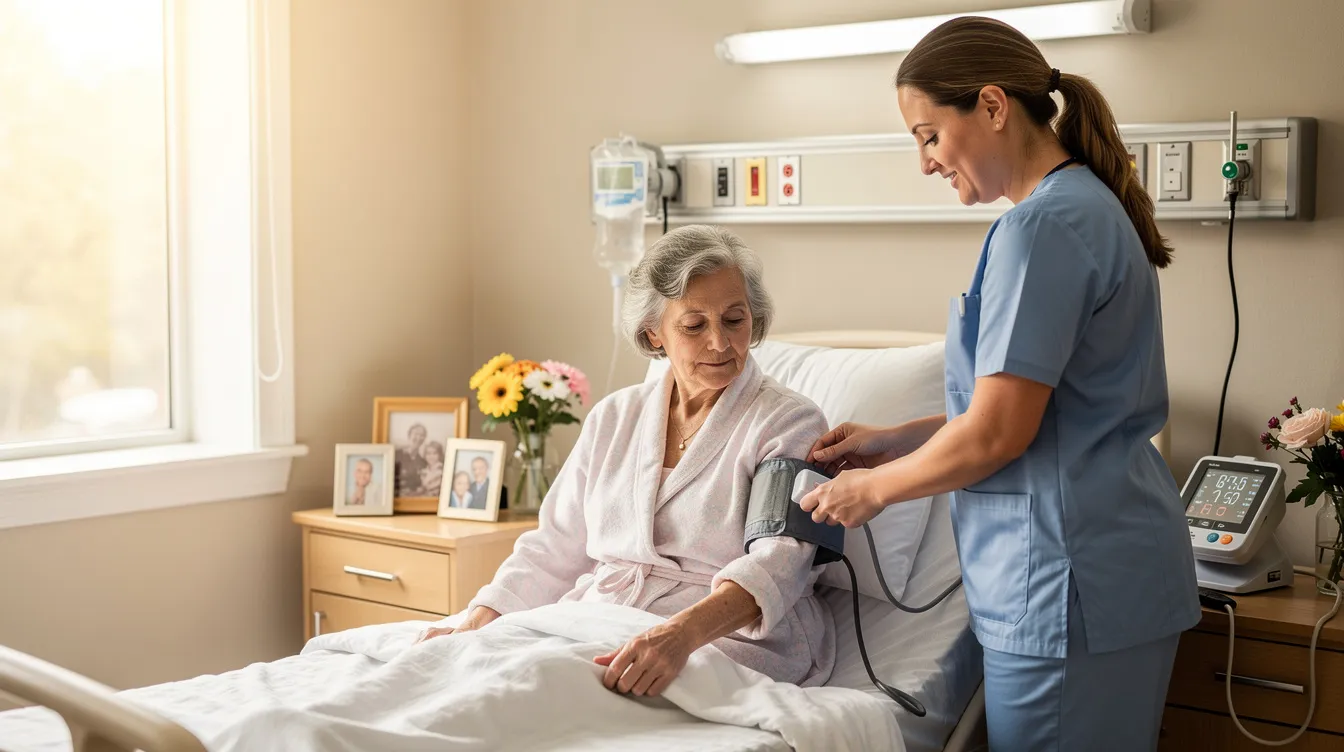
- 24/7 nursing supervision and vital sign monitoring
- Medication management and pain management
- Respiratory support and lab work tracking
- Wound care and catheter care
Rehabilitation therapies:
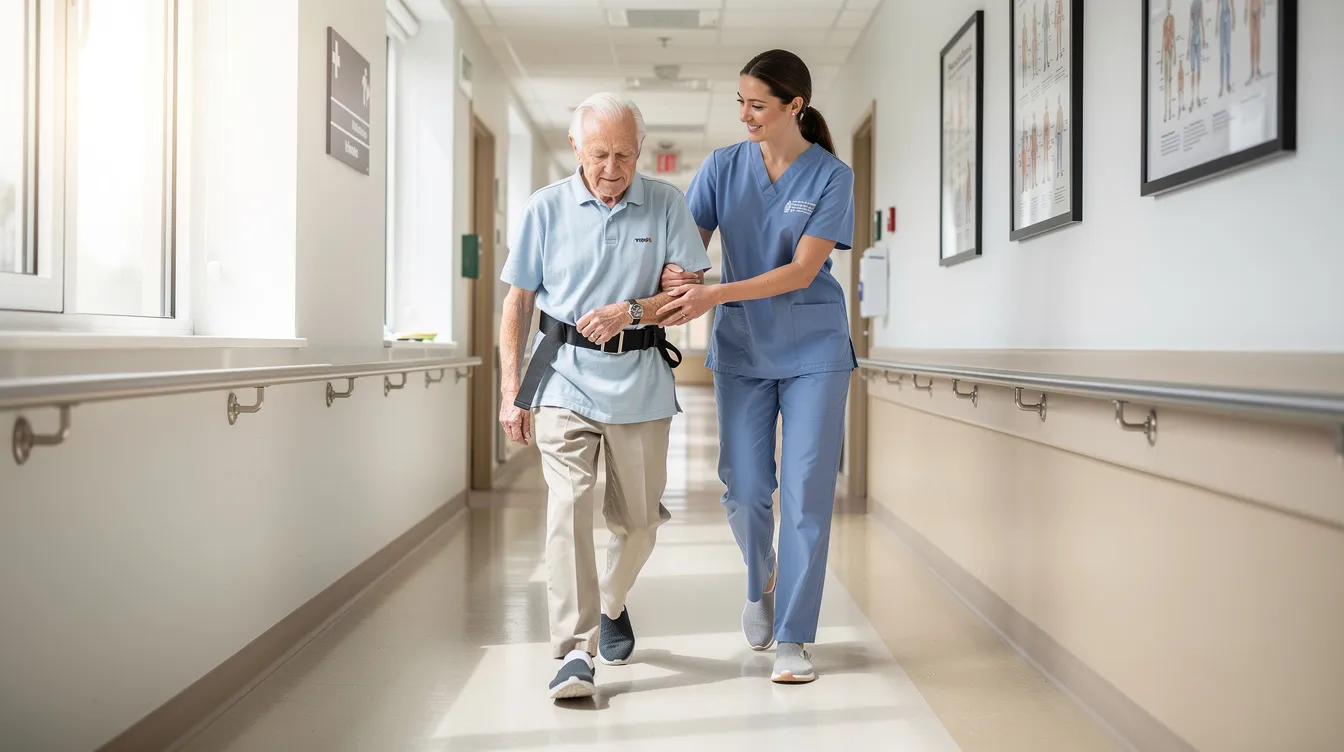
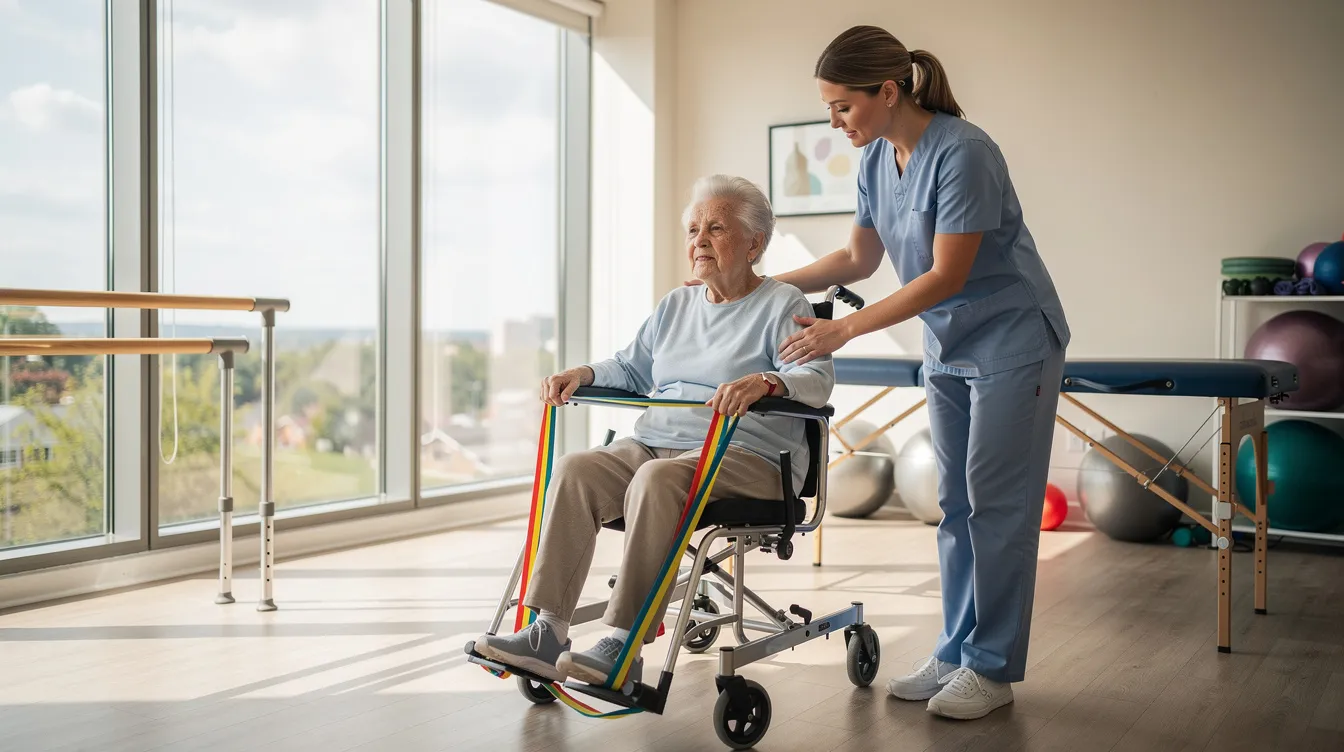
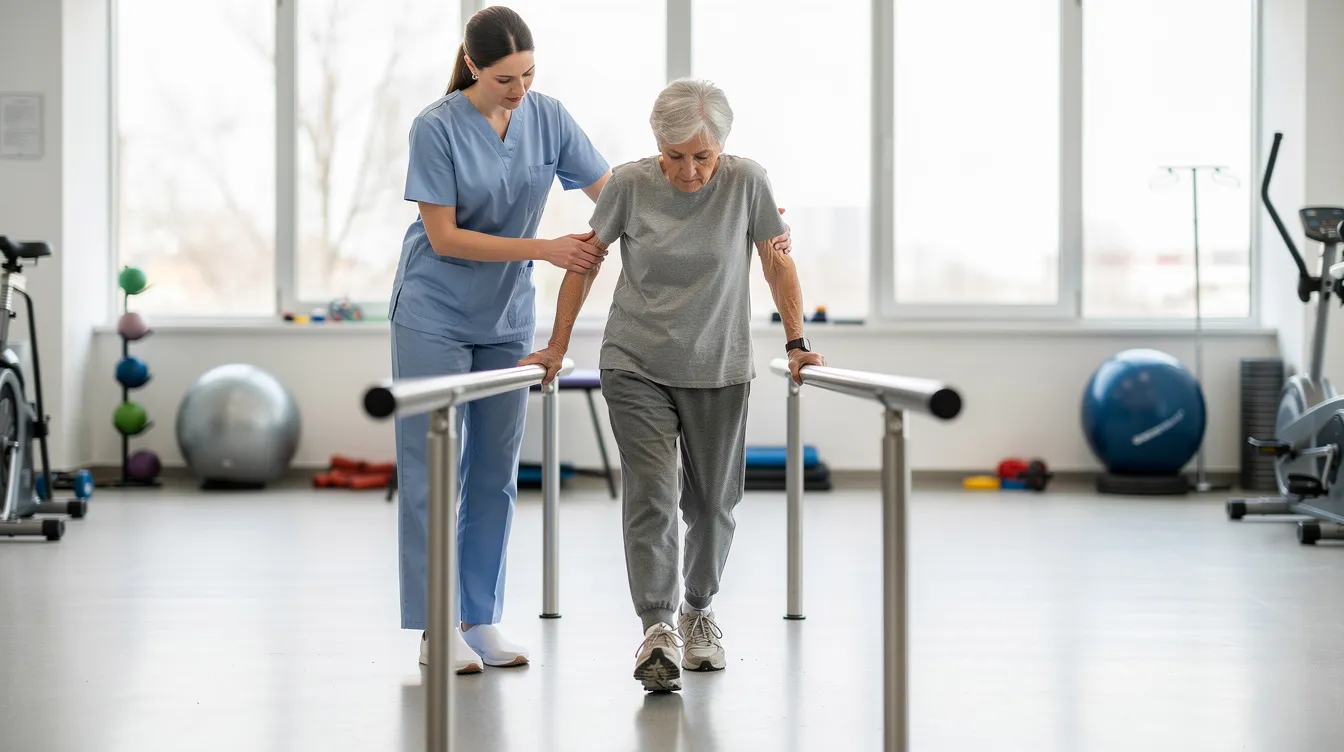
- Physical therapy - mobility, balance, strength training, and safe walking with assistive devices
- Occupational therapy - bathing, dressing, kitchen tasks, adaptive equipment, and home safety evaluation
- Speech therapy - communication strategies, memory exercises, and swallowing safety, delivered by speech therapists
Patients in skilled nursing facilities receive personalized recovery plans. Services also include social work, discharge planning, and family education - each an important step in preparing the transition to home or to long term care when needed.
At AristaCare at Abingdon in Green Brook, NJ, services extend to memory care through the Nostalgia Park program, Cultural Programs respecting diverse residents' customs, and a structured Comprehensive Transition to Home Process tailored to each resident.
Skilled Nursing vs. Inpatient Rehabilitation vs. Outpatient Therapy
All three settings focus on recovery, but they differ in medical intensity, therapy schedule, and the typical patient profile.
| Feature | Skilled Nursing Facility | Inpatient Rehabilitation | Outpatient Therapy |
|---|---|---|---|
| Nursing coverage | 24/7 | 24/7 | None on-site |
| Therapy intensity | ~60–90 min/day | Minimum 3 hours/day | 1–2 sessions/week |
| Medical oversight | Physician rounds weekly | Physiatrist visits 3x/week | Doctor appointments as needed |
| Best for | Complex nursing needs + rehab | Medically stable, high-intensity rehab | Independent at home, therapy only |
Inpatient Rehabilitation Facilities (IRFs) provide intensive therapy for patients recovering from major conditions, requiring higher therapy hours and physician oversight compared to SNFs. Patients typically receive a minimum of three hours of therapy daily in an IRF setting. Rehabilitation centers focus on intensive therapeutic support for those who can tolerate it.
Skilled nursing facilities provide 24/7 nursing support and care with flexible therapy frequency, making them appropriate when patients still have complex medical needs that a rehab hospital or home setting cannot safely manage.
Outpatient therapy is therapy-only care - physical therapy, occupational therapy, or speech therapy - delivered at a clinic several times per week for patients managing their own daily care at home. Home Health Care offers skilled nursing and therapy at home for medically stable seniors who qualify.
For example, a Green Brook resident might move from hospital to skilled nursing care at Abingdon Care and Rehabilitation, then transition to outpatient therapy at a local clinic after several weeks of strengthening - a recovery process designed around individual progress.
How Long Do Patients Typically Stay in Skilled Nursing?
Most skilled nursing stays are short term, often ranging from one to six weeks. In New Jersey, Medicare-covered short term rehabilitation stays average roughly 27 days, though duration depends on the person's surgery, illness severity, and progress in therapy.
Each patient receives an individualized care plan. The interdisciplinary team - nursing, therapy, social work, and the physician - reviews progress weekly and adjusts goals. Key discharge considerations include:
- Ability to walk safely and manage mobility
- Capacity to handle medications independently
- Performance of basic daily living activities
- Availability of a safe home environment or family support
Some residents transition from short term skilled nursing to long term care if ongoing nursing home support remains necessary. Transitioning home requires careful planning and support from healthcare teams. In New Jersey, insurance coverage including Medicare may limit or extend covered days, so social workers at Abingdon help families understand timelines and plan next steps.
Skilled Nursing Care, Long Term Care, and Memory Care Under One Roof
A campus that offers skilled nursing, long term care, and dedicated memory care under one roof gives families practical advantages. A loved one may first arrive for short term skilled nursing after a hospital stay and later transition to long term care or memory care if 24/7 support remains necessary - without the stress of moving to a new facility.
AristaCare at Abingdon provides long term care for residents who need permanent nursing home placement, with ongoing medical oversight and daily assistance for aspects of life that require continuous support.
Abingdon's Nostalgia Park memory care program features structured daily activities, a secure environment, and intellectually stimulating programs designed for people living with dementia. Cultural Programs at Abingdon respect language, food preferences, and customs of culturally diverse patients in Green Brook Township and surrounding New Jersey communities.
Choosing Skilled Nursing Care in Green Brook, NJ
Start planning while the loved one is still in the hospital. Consult hospital discharge planners for local certified facilities with bed availability near zip code 08812. Choosing a skilled nursing facility depends on individual medical and personal care needs.
Questions to ask facilities:
- What are staffing levels and staff-to-resident ratios? (Staff-to-resident ratios impact the quality of nursing care.)
- What is the therapy schedule for physical therapy, occupational therapy, and speech therapy?
- Does the facility have experience with conditions like stroke or joint replacement?
- How is a safe transition to home coordinated?
Environment considerations:
- Private or semi-private rooms
- Cleanliness, visiting hours, on-site healthcare providers, and outdoor spaces
- Inspection results and staffing ratings should be reviewed to assess facility quality - the Medicare Care Compare tool provides ratings, inspections, staffing ratios, and quality measures
- Comfort of residents and the staff's interaction with patients can indicate facility quality
A facility should be evaluated based on rehabilitation services, nursing coverage, and safety measures. AristaCare at Abingdon offers a brand new sub-acute unit, personalized Quality Experience programs, and a Comprehensive Transition to Home Process that includes home exercise plans, caregiver training, and follow-up coordination.
Ready to learn more? Contact Abingdon Care and Rehabilitation to schedule a tour, discuss admissions, or review insurance coverage and payment options.
Insurance Coverage and Paying for Skilled Nursing Care
Medicare covers skilled nursing care under specific conditions: a qualifying inpatient hospital stay of at least three consecutive midnights, admission to a Medicare-certified facility within 30 days, and documented medical necessity. Medicare may cover skilled nursing facility stays for eligible patients for up to 100 days per benefit period - days 1–20 with no coinsurance, days 21–100 with a daily copay, and full private pay responsibility after that.
Medicare Advantage plans may have different requirements for skilled nursing facility coverage, sometimes waiving the three-day hospital stay rule. Private insurance, Medicaid services, and veterans' benefits may also help pay, but rules vary by plan and New Jersey regulations.
Nursing homes typically do not qualify for Medicare coverage when care is purely custodial. Long term care is often paid through a mix of private funds, long term care insurance, and Medicaid when eligible. Outpatient therapy has its own coverage rules and visit limits, so families should confirm copays, deductibles, and annual caps before discharge.
The admissions and social work teams at AristaCare at Abingdon help families review insurance coverage, gather documentation, and understand out-of-pocket costs before admission.
Frequently Asked Questions About Skilled Nursing Care
Below are answers to common questions families in New Jersey ask when a loved one is entering skilled nursing care after hospitalization. Each answer focuses on practical details to help with planning and decision-making.
Can my loved one return home after a skilled nursing stay?
Yes. Most skilled nursing stays at facilities like Abingdon in Green Brook are designed to be short term, with the primary goal of helping patients return home after a successful recovery. Patients often transition from skilled nursing facilities to home after recovery.
The care team evaluates progress in physical therapy, occupational therapy, and daily activities, and involves family in planning home support, equipment needs, and follow-up outpatient therapy or home health appointments. If a patient's needs remain too high for home, the team may recommend transitioning to long term care or memory care and will discuss all options with the family.
How do I know if my family member needs long term care instead of short term skilled nursing?
Short term skilled nursing focuses on improvement and rehabilitation. Long term care focuses on ongoing support for chronic conditions and progressive illness where recovery to independence is unlikely.
Signs that long term care may be more appropriate include repeated hospitalizations, advanced dementia, total dependence for daily living activities, or unsafe living conditions at home. At Abingdon Care and Rehabilitation, the interdisciplinary team reviews each case and talks with families to decide whether the care plan should shift from rehab to long term residential nursing care. You can also read more about the difference between assisted living and skilled nursing facilities.
What should I bring when my loved one is admitted to a skilled nursing facility?
A practical checklist includes:
- Current medication list and insurance cards
- Advance directives and medical documents from the doctor
- Comfortable clothing and supportive shoes
- Personal toiletry items
- A few familiar items like photos or a favorite blanket
Label clothing and personal items with the resident's name to prevent loss. Keep valuables and large sums of cash at home. Abingdon's admissions department gives families an up-to-date packing guide and can answer questions before arrival.
Is skilled nursing care only for older adults?
While most residents are seniors, skilled nursing care is also used by younger patients recovering from serious accidents, major surgeries, or complex medical events such as a traumatic injury or serious illness. Admission decisions are based on medical need and rehabilitation goals, not age alone. Therapy and activity programs can be tailored for different age groups and public health needs. Abingdon Care and Rehabilitation most commonly serves seniors but also cares for medically appropriate adults who need short term skilled rehab after a hospital stay.
How is communication handled between the skilled nursing staff and our family?
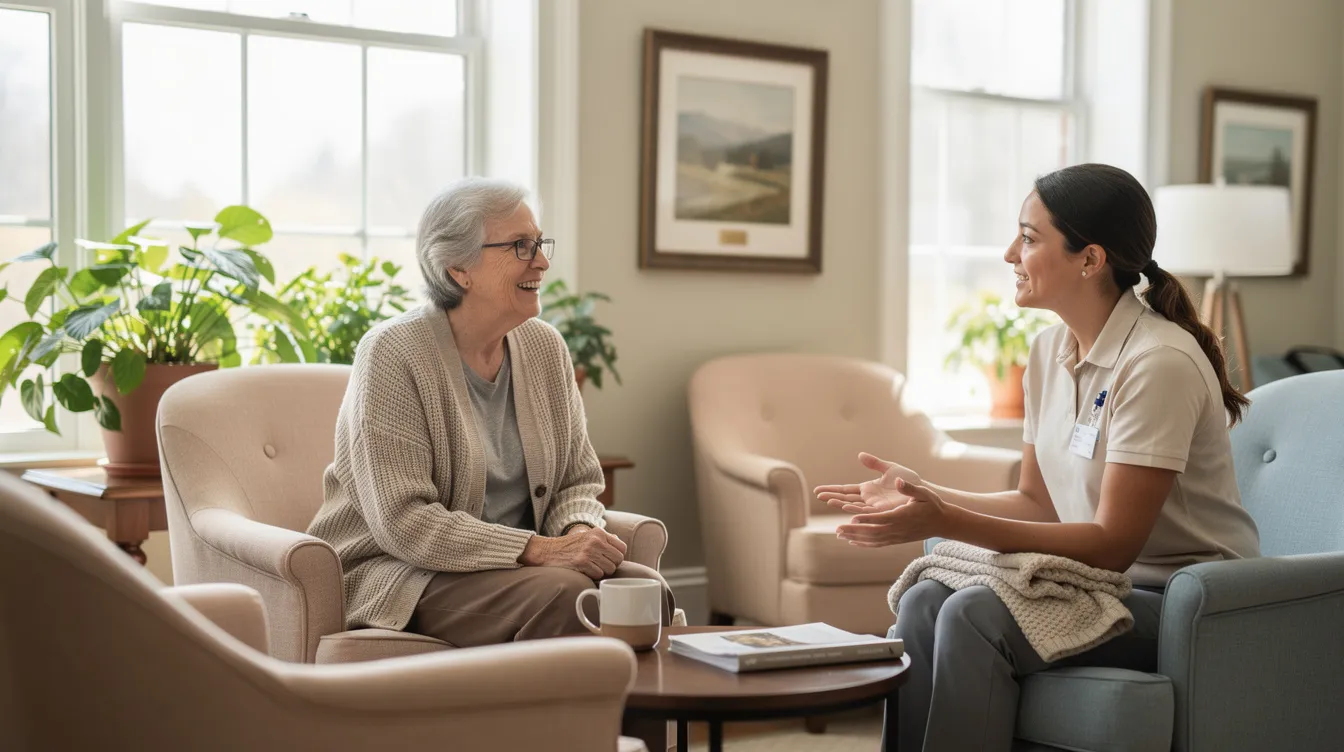
Typical communication channels include scheduled care plan meetings, regular updates from nursing or social work, and immediate contact when medical changes occur. Families at Abingdon Care and Rehabilitation are encouraged to participate in care discussions, ask about therapy progress, and share information about their loved one's preferences and routines.
Families should identify one primary contact person so the facility can provide consistent, timely updates during the entire skilled nursing stay. This approach supports a higher level of coordination and helps ensure that nothing falls through the cracks during the recovery process, giving families the aid and reassurance they need.
Discover Exceptional Skilled Nursing and Rehabilitation at Abingdon Care
Ready to support your loved one’s journey to recovery? At Abingdon Care and Rehabilitation in Green Brook, NJ, we provide compassionate skilled nursing care, personalized rehabilitation programs, and a warm, welcoming environment designed to promote healing and independence. Whether recovering from surgery, managing complex medical conditions, or seeking specialized memory care, our expert team is here to guide every step of the way.
Contact us today to schedule a tour, learn about our comprehensive services, and find out how we can help your family achieve the best possible outcomes. Experience the difference of dedicated care at Abingdon Care and Rehabilitation—where recovery feels like home.
Learn More About Skilled Nursing and Rehabilitation at Abingdon Care