Assisted Living vs. Skilled Nursing Facilities: How to Choose the Right Care in Green Brook, NJ
Deciding between assisted living and a skilled nursing facility is one of the most important choices a family can make for an aging loved one. Both options provide professional support, but they serve very different needs. If you're weighing senior living options in or near Green Brook, NJ, this guide breaks down the key differences in care, cost, environment, and eligibility so you can make an informed decision.
Key Takeaways
- Assisted living facilities focus on helping older adults with daily living tasks and social engagement, while skilled nursing facilities like AristaCare at Abingdon in Green Brook, NJ deliver round the clock care, medical supervision, and rehabilitation therapies.
- Assisted living is best for seniors who are mostly independent but need some support. A skilled nursing facility is the right choice when complex medical needs, frequent nursing care, or intensive medical support after a hospital stay are required.
- Assisted living cost is typically lower than skilled nursing cost, but it is more often paid out of pocket. Skilled nursing is more expensive yet more likely to be partially covered by Medicare or Medicaid.
- Families near Green Brook, NJ can turn to AristaCare at Abingdon for post-hospital rehabilitation, long-term skilled nursing care, memory care through the Nostalgia Park program, and respite stays when assisted living is no longer enough.
- The rest of this article walks you through the key differences, questions to ask, local cost expectations, and how to decide between assisted living facilities and skilled nursing facilities for your family.
Assisted Living vs. SNF: Key Differences at a Glance
Before diving into the details, here's a quick summary of what separates assisted living from a skilled nursing facility.
- An assisted living facility is a residential community focused on support with activities of daily living (ADLs) like bathing, dressing, and medication management - but not continuous hands-on medical treatment. Assisted living usually does not provide 24/7 nursing supervision.
- A skilled nursing facility, sometimes called a nursing home, provides 24/7 licensed nursing, close physician oversight, and complex medical treatments such as wound care, IV therapy, and post-surgical rehabilitation. Skilled nursing facilities offer 24/7 medical supervision and care.
- Assisted living residents are generally medically stable. Skilled nursing residents often have recent hospitalizations, multiple chronic conditions, or serious mobility or cognitive challenges.
How the two compare in practice: Assisted living communities offer a residential setting with flexible schedules and social programming, primarily for long-term stays paid privately. Skilled nursing facilities operate within a clinical environment with structured medical treatments and therapies, serving both short-term rehab and long-term populations, often covered at least partially by Medicare or Medicaid. A private room in a skilled nursing facility costs significantly more than a comparable assisted living unit, reflecting the higher level of medical staffing and equipment involved.
Families in the Green Brook, NJ area often choose AristaCare at Abingdon when a loved one can no longer be safely supported in an assisted living community and needs skilled nursing facility care, relying on Abingdon Care & Rehabilitation in Green Brook, NJ for skilled nursing, post-hospital rehabilitation, and memory care services.
What Is Assisted Living?
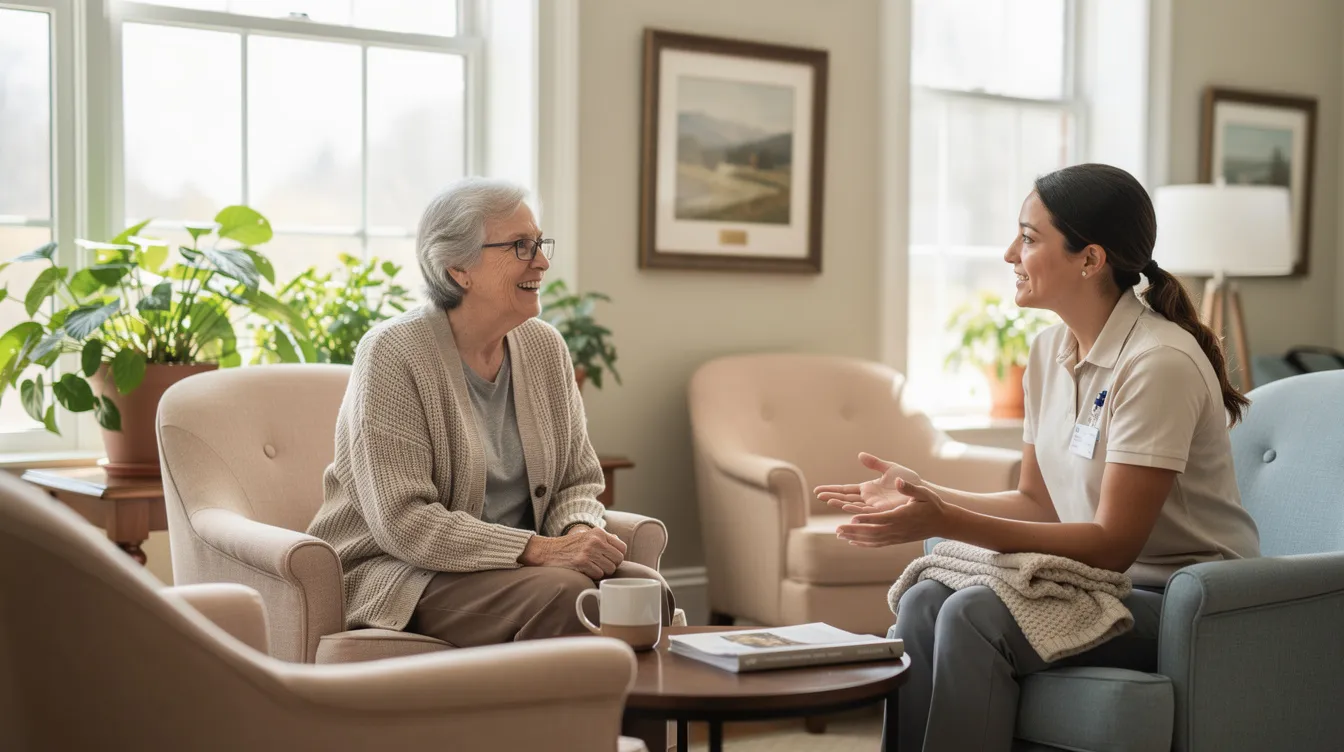
Assisted living facilities are long-term housing options for older adults who need help with daily living but do not require round the clock medical care. Assisted living promotes independence with some daily support, creating a maintenance free lifestyle that removes the burdens of home upkeep while preserving personal freedom.
A typical assisted living community offers apartment-style units, shared dining, housekeeping, transportation, and social activities designed to encourage an active lifestyle. Assisted living communities offer services that support both physical needs and community life.
Common ADLs and instrumental ADLs supported include:
- Bathing, grooming, and toileting
- Dressing and transferring
- Meal preparation and communal dining
- Light housekeeping and laundry
- Transportation to appointments
- Medication reminders or basic medication management
Assisted living communities may have an on-call nurse available, but these living facilities are not equipped for complex, unstable medical needs - no ventilators, limited IV therapy, and limited complex wound care. Assisted living residents typically do not require constant medical attention.
Assisted living focuses on promoting independence and social engagement. Residents can personalize their spaces, join fitness classes or outings, and maintain independence over how they spend their days. Many family members choose assisted living when safety concerns or loneliness become an issue, but a full skilled nursing facility still feels premature. Assisted living provides help with activities of daily living while offering supportive services that keep seniors engaged and comfortable.
What Is a Skilled Nursing Facility (SNF)?
A skilled nursing facility is a licensed health care center that provides 24/7 nursing, rehabilitation services, and medical oversight. Skilled nursing facilities cater to individuals with complex medical needs or those recovering from serious conditions - including post-hospital recovery after surgery, stroke, heart failure, or progressive conditions like advanced Alzheimer's disease.
On-site clinical resources at a skilled nursing facility typically include:
- A registered nurse and licensed practical nurses on duty at all times
- Certified nursing assistants (CNAs) for direct personal care
- Physical, occupational, and speech therapists
- Regular physician, nurse practitioner, or physician assistant visits
- Access to medical equipment and diagnostic testing
Skilled nursing facilities must have licensed nurses on duty at all times. Skilled nursing provides 24/7 medical care for complex needs, and skilled nursing care is often for short-term rehabilitation after hospitalization - though many residents also receive long-term care.
AristaCare at Abingdon in Green Brook, NJ is a skilled nursing facility offering a brand-new sub-acute unit, post-hospital rehabilitation, long-term care, memory care through the Nostalgia Park program, and respite care. Unlike assisted living communities, skilled nursing facilities are heavily regulated at both federal and state levels, with detailed standards for staffing, safety, and quality.
Level of Care: Daily Living Support vs. Medical Needs
Level of care is usually the single biggest factor when comparing assisted living and skilled nursing. Here's how they differ in practice.
In assisted living facilities, support looks like cueing, stand-by assistance, escorted walks, help with showering, and light hands-on help for otherwise medically stable residents. Assisted living offers support with daily activities but not 24/7 care.
In a skilled nursing facility, care is far more intensive:
- Turning and repositioning every two hours
- Complex wound care and wound vac management
- Feeding tube support and nutritional monitoring
- Oxygen therapy, respiratory treatments, and ventilator weaning
- Frequent vital-sign monitoring and clinical oversight
- Professional medication administration for complex regimens
Skilled nursing facilities provide rehabilitation services post-hospitalization and can safely manage residents who are high fall-risk, recently hospitalized, or recovering from hip fractures, strokes, or heart surgery. AristaCare at Abingdon provides robust rehabilitation services coordinated with area hospitals in central New Jersey, bridging the gap between acute hospital care and returning home.
As medical needs increase - repeated infections, unstable diabetes, uncontrolled pain - a move from an assisted living community to a skilled nursing facility is often recommended by a healthcare provider.
Services and Amenities in Assisted Living vs. Skilled Nursing
While both settings help with daily needs, their day-to-day experience feels different because of the medical focus and environment.
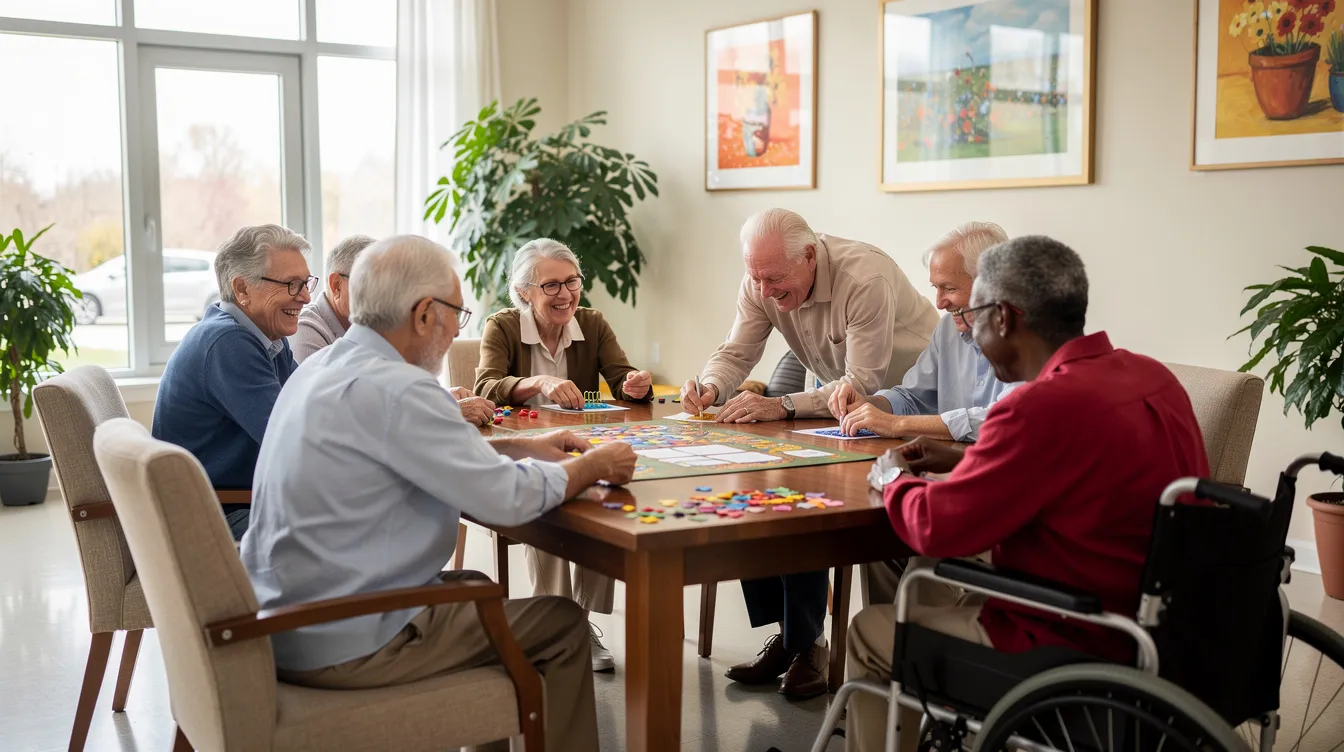
Assisted living community services typically include meals in a dining room, wellness checks, fitness classes, outings, salon services, scheduled transportation, and social programs like games, crafts, and clubs. The environment leans residential, with private apartments, kitchenettes, and flexible routines that support an active lifestyle.
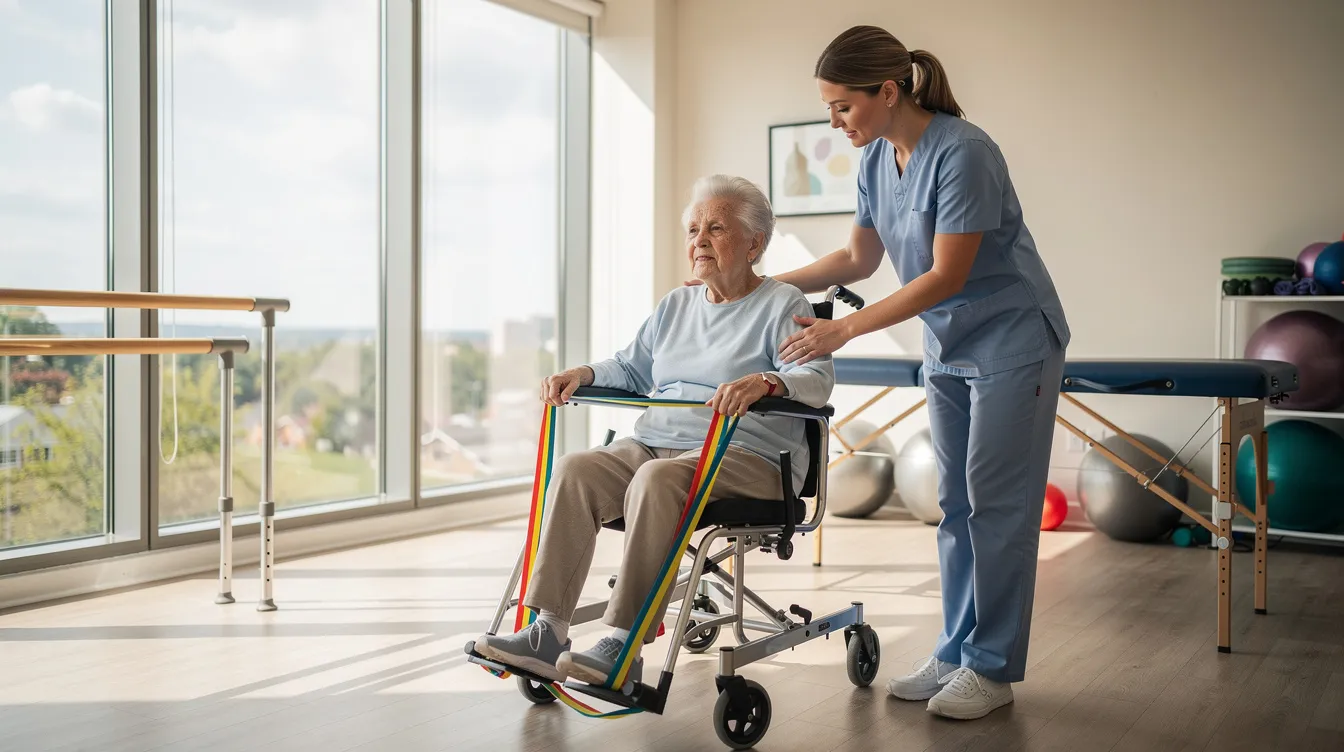
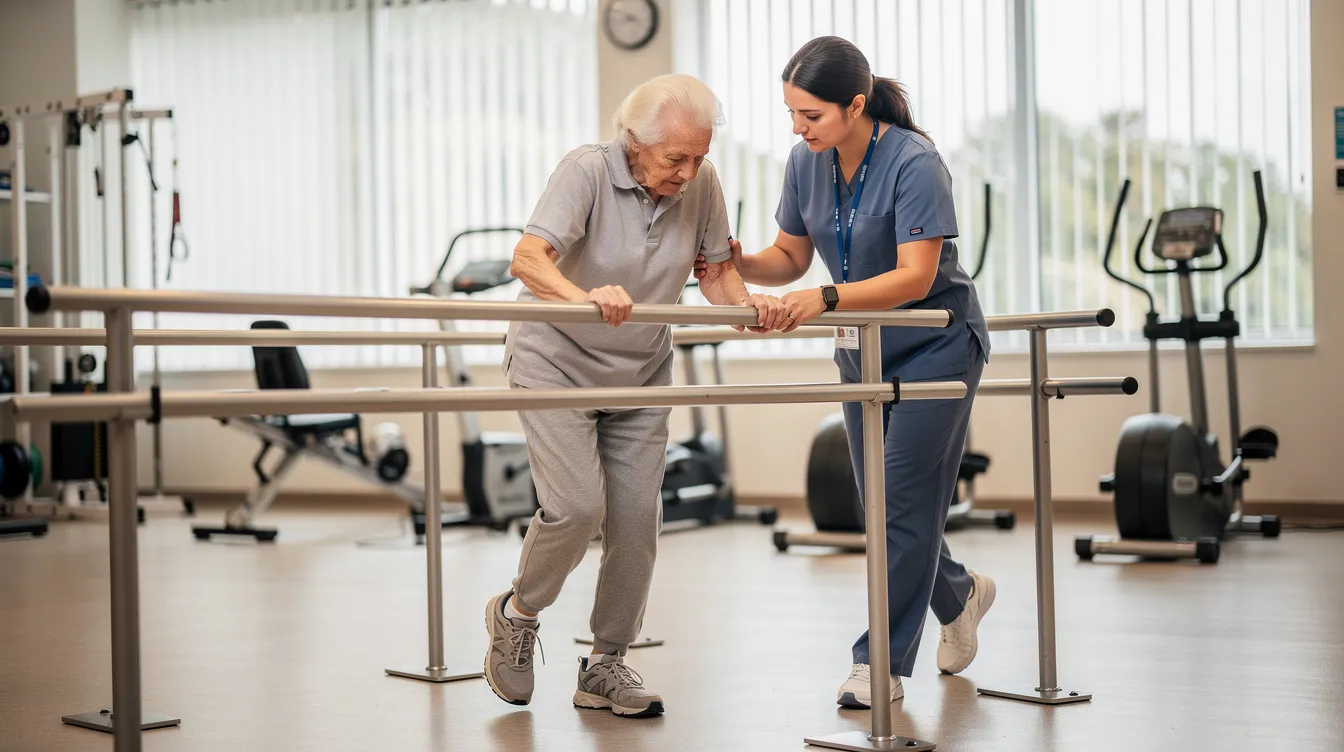
Skilled nursing facilities offer on-site therapy gyms, physician rounds, rehabilitation therapies (PT/OT/speech), complex medication management, lab coordination, imaging coordination, and discharge planning. Skilled nursing facilities have a clinical environment with structured medical treatments and therapies, but high-quality facilities still prioritize resident comfort.
AristaCare at Abingdon combines medical services with quality-of-life programs such as their Quality Experience initiatives, cultural programs tailored to diverse residents, and the Nostalgia Park memory care program for cognitive engagement. Amenities include communal dining, activity programming, and religious services - all within an environment that prioritizes access to medical professionals and clinical support, including culturally tailored programs for diverse residents that honor language, food, and religious traditions.
Living Environment and Daily Life
Lifestyle, privacy, and the overall "feel" of a setting can be just as important as clinical services for residents and family members. Quality of life considerations are important when choosing between assisted living and skilled nursing.
Assisted living environments feature private or semi-private apartments, options for couples, personalized décor, access to outdoor spaces, and an emphasis on socialization and autonomy. Residents in assisted living can set their own schedules - deciding when to wake, dine, participate in activities, or go off-site with family. Assisted living residents typically do not require 24/7 medical care, so the environment stays relaxed and home-like. Emergency call systems are standard, but the atmosphere is closer to independent living than a hospital.
Skilled nursing environments offer private room or semi private room options, accessible bathrooms, nearby nursing stations, therapy gyms, and safety features like handrails and call systems. Skilled nursing residents follow a regimented daily schedule built around therapy sessions, medication times, and clinical checks.
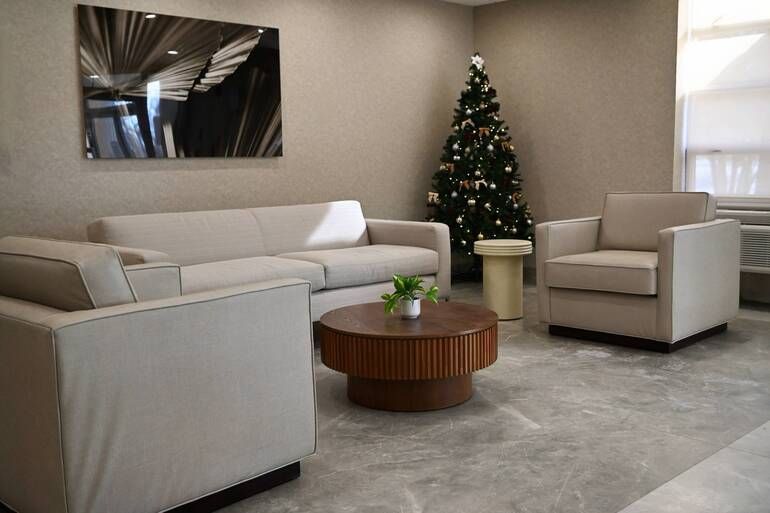
At AristaCare at Abingdon, the new sub-acute unit features modern, comfortable private and semi-private rooms designed to feel less institutional while still allowing easy access to rehab and skilled nursing care. Good facilities prioritize resident preferences and comfort even within a more structured routine, especially when they provide dedicated sub-acute care and rehabilitation services to support safe transitions home after hospitalization.
Costs and How Care Is Paid For
Living cost differences are significant when comparing assisted living and skilled nursing. The figures below are typical ranges and can change annually.
Assisted living cost trends:
- In 2021, assisted living cost $4,500 per month nationally
- Assisted living costs about $5,190 per month in 2025
- The national average cost for assisted living is $5,900 per month based on more recent estimates
- In Green Brook, NJ, assisted living averages roughly $7,727 per month, well above the national average due to New Jersey's higher cost of living
- Assisted living typically costs less than skilled nursing - generally about half the cost
Skilled nursing cost trends:
- Skilled nursing costs about $9,000 for a private room in 2021
- Skilled nursing facilities cost about $10,646 for a private room nationally at current rates
- In New Jersey, skilled nursing cost often ranges from roughly $10,000 to $14,000+ per month depending on room type and care needs
Assisted living is generally half the cost of skilled nursing, but paying for either requires careful planning.
How care is paid for:
- Assisted living costs are usually paid out of pocket by residents, sometimes supported by long-term care insurance or veterans' benefits. Medicare does not generally pay for room and board in assisted living, and Medicaid does not pay for room and board in assisted living either.
- Medicare may cover short-term skilled nursing care but generally does not cover long-term custodial care. Medicare covers up to 100 days in skilled nursing facilities after a qualifying hospital stay. Long-term care insurance may cover skilled nursing facility costs as well.
- Medicaid typically covers long-term nursing home care for eligible individuals.
Families in the Green Brook, NJ area should speak with AristaCare at Abingdon's admissions and financial counseling team to review current rates, insurance coverage, and Medicaid planning options.
Who Is a Good Candidate for Assisted Living vs. Skilled Nursing?
Matching needs to setting is about function and medical stability, not age alone. Choosing the right facility involves understanding the individual's medical, functional, and daily living needs.
Typical assisted living candidates:
- Older adults who walk independently or with minimal medical assistance
- Seniors needing some help with self care tasks but who are relatively stable medically
- Individuals with chronic health issues that are well-managed
- Those wanting a retirement community atmosphere with fewer home responsibilities
Assisted living is typically suitable for seniors who are mobile and relatively independent. Those with mild memory loss may still do well in assisted living facilities, especially if the community offers dedicated memory support.
Typical skilled nursing candidates:
- Individuals needing two-person transfers or mechanical lifts
- People with complex medical needs such as extensive medical care for pressure ulcers, feeding tubes, or IV therapy
- Seniors with serious health conditions requiring intensive medical support
- Those with advanced dementia or behavioral concerns beyond what assisted living can manage
AristaCare at Abingdon is particularly appropriate for Green Brook area residents after events like strokes, joint replacements, heart attacks, serious falls, or rapidly worsening dementia, and its long-term care services in Green Brook help families plan for ongoing skilled nursing and support needs. Families should involve the person's primary care physician, hospital discharge planner, or a geriatric care manager when deciding between an assisted living community and a skilled nursing facility.
Transitioning Between Assisted Living and Skilled Nursing
Needs change over time, and transitions are common - from home to assisted living, from assisted living to skilled nursing, or from hospital to a skilled nursing facility and then back home. Transitioning from skilled nursing to assisted living may occur as individual needs change.
Triggers for moving from assisted living to a skilled nursing facility include:
- Frequent falls or repeated emergency room visits
- Uncontrolled pain or worsening confusion
- New need for two-person transfers
- Complex medical treatments that assisted living cannot provide
When a hospital recommends skilled nursing rehab instead of returning to assisted living, discharge planners will often suggest facilities like AristaCare at Abingdon for short-term rehabilitation. A good skilled nursing facility coordinates with previous living facilities and family members to make transitions smoother - sharing medication lists, therapy plans, and discharge goals.
AristaCare at Abingdon places strong emphasis on its transition to home process: customized care plans, rehab goals targeted at safe return home or to a community setting, and family education on what level of support will be needed next, supported by their newly renovated post-hospital rehab unit in Green Brook, NJ. Sometimes residents move from a skilled nursing facility back to assisted living once they regain strength - families should reassess level of care whenever a major health event occurs.
How AristaCare at Abingdon Serves Green Brook, NJ Families
AristaCare at Abingdon, also known as Abingdon Care and Rehabilitation, is a local skilled nursing facility proudly serving Green Brook Township (08812) and surrounding central New Jersey communities, backed by clinical excellence and specialized medical programs for complex conditions. Families seeking senior care in the area can count on a care team that understands the specific needs of this community, supported by dedicated professionals drawn through career opportunities at AristaCare in Green Brook.
Core services include:
- Post-hospital inpatient rehabilitation in a modern sub-acute rehab unit
- Long-term skilled nursing care with 24/7 medical supervision
- Dedicated memory care through the Nostalgia Park program, where memory care programs help individuals with cognitive decline through structured activities and specialized therapeutic recreation for dementia
- Short-term respite care for family caregivers who need a break
The new sub-acute unit offers modern private and semi-private rooms with in-unit therapy gym access and amenities designed for comfort and privacy while delivering hospital-level rehabilitation intensity.
AristaCare's Quality Experience and Heartfelt Moments programs focus on personalized, culturally sensitive care - meaningful daily engagement, religious services, language support, culturally familiar meals, and emotional well-being for residents and their family members, complemented by Nostalgia Park’s therapeutic recreation and memory care for those living with dementia. The care team frequently collaborates with local assisted living communities to ensure residents receive the right level of care at the right time, reflecting AristaCare’s broader commitment to quality senior care highlighted in their senior care resources and support features.
How to Decide: Practical Steps for Comparing Assisted Living and Skilled Nursing
If you're unsure which option is right, use this step-by-step approach:
- Start with a medical assessment. Ask the primary care doctor or hospital care team whether your loved one's needs can be safely met in assisted living or if skilled nursing services are required.
- List specific ADL and IADL needs. Note where help is needed with bathing, dressing, toileting, transferring, cooking, medication administration, and transportation - and how often.
- Evaluate safety risks. Consider falls, wandering, medication errors, unmanaged pain, or worsening confusion at home or in an assisted living community.
- Contact facilities directly. Reach out to both local assisted living facilities and AristaCare at Abingdon to request assessments, discuss services, and compare living cost expectations, payment options, and waitlists.
- Tour in person. Visit at least one assisted living community and one skilled nursing facility. Talk with medical professionals, observe resident interactions, and ask targeted questions about staffing, therapy availability, and care planning.
Skilled nursing choosing comes down to matching the intensity of care your loved one needs with the right environment. Don't rush the decision - and don't hesitate to ask for help from a geriatric care manager or your loved one's healthcare provider.
Frequently Asked Questions About Assisted Living vs. Skilled Nursing in Green Brook, NJ
Below are answers to the most common questions families ask when comparing assisted living facilities and skilled nursing facilities in the Green Brook area.
Is a skilled nursing facility the same as a nursing home?
In everyday language, "nursing home" and "skilled nursing facility" are often used interchangeably. However, "skilled nursing facility" emphasizes the medical and rehabilitation services defined by Medicare and state regulators under the Department of Health and Human Services. Facilities like AristaCare at Abingdon in Green Brook, NJ provide both short-term post-acute rehab and long-term care, while some older nursing homes tend to focus primarily on long-term custodial care without the same breadth of rehabilitation therapies.
Can someone move from assisted living to AristaCare at Abingdon and then back again?
Yes. It's common for a person to live in an assisted living community, transfer to a skilled nursing facility like AristaCare at Abingdon for rehab after a hospitalization, then return to assisted living once they regain strength and independence. AristaCare's transition-to-home team works with the resident, family, and the assisted living facility to coordinate discharge planning, therapy goals, medication changes, and follow-up care.
How long does Medicare typically cover a skilled nursing facility stay after a hospital in New Jersey?
Under current federal rules, Medicare may cover up to 100 days of skilled nursing facility care per benefit period after a qualifying hospital stay. The first 20 days are covered in full, while days 21 through 100 require a daily coinsurance payment. Coverage applies only to skilled, medically necessary care and can end sooner if the patient no longer meets Medicare's criteria. Families should discuss specific coverage details with AristaCare at Abingdon's admissions team and their Medicare plan. Financial assistance options, including Medicaid planning, may also be available.
What signs suggest my loved one needs a skilled nursing facility instead of assisted living?
Watch for these red flags: frequent falls, needing two people to transfer, inability to manage medications safely, pressure sores, rapid weight loss, multiple hospitalizations in a short time, or new behaviors from advanced dementia such as wandering or aggression. If you're unsure, ask the person's physician or hospital case manager directly whether assisted living would be safe or whether they recommend a skilled nursing facility like AristaCare at Abingdon for the level of clinical oversight your loved one requires.
Does AristaCare at Abingdon offer memory care for dementia patients who might otherwise be in assisted living?
AristaCare at Abingdon provides specialized memory care through its Nostalgia Park program, designed for residents with Alzheimer's disease and other dementias who need skilled nursing or closer medical supervision than most assisted living memory care units can provide. The program combines secure, structured environments with cognitively stimulating and emotionally meaningful activities tailored to each resident's history and abilities. Senior living communities with basic memory support may be sufficient for early-stage cognitive challenges, but when safety or medical complexity increases, a program like Nostalgia Park offers a higher level of protection and engagement.
Find Skilled Nursing and Rehab Support Near Green Brook, NJ: Talk With AristaCare at Abingdon
If you're comparing assisted living vs skilled nursing for a loved one in Green Brook Township or the surrounding central New Jersey area, AristaCare at Abingdon is here to help. Whether your family needs post-hospital sub-acute rehabilitation, long-term skilled nursing, specialized memory care via Nostalgia Park, or respite care while you recharge as a caregiver, our care team provides personalized support at every step.
We invite you to schedule a tour, meet our clinical and therapy teams, and see our new sub-acute unit and memory care areas in person. Every family's situation is different, and a conversation with our admissions staff can clarify whether skilled nursing is the right fit - or if another path makes more sense.
Contact AristaCare at Abingdon today to schedule a visit, request a personalized assessment, or ask questions about skilled nursing, rehabilitation, and senior care options for your family in the Green Brook, NJ area.