Nursing Facilities in My Area: Guide to Skilled Nursing, Nursing Homes, and Short-Term Rehab in Green Brook, NJ
When a doctor says your parent or spouse needs "skilled nursing" after surgery, the first thing most families do is pull out their phone and search for nursing facilities in my area. That search can feel overwhelming-dozens of options, unfamiliar terminology, insurance questions, and the pressure of a hospital discharge timeline all hitting at once.
This guide is designed to cut through the confusion. Below, you'll find a clear, honest walkthrough of what skilled nursing facility care actually looks like in the Green Brook, NJ area, how short-term rehabilitation works from admission day through discharge, how to pay for it, and what questions to ask before choosing a facility for your loved one.
Key Takeaways
- Green Brook Township (08812) and the surrounding Somerset County area are home to numerous skilled nursing facilities and nursing homes. AristaCare at Abingdon, located at 303 Rock Avenue, provides post-hospital short-term rehabilitation, long-term care, and memory care near Route 22 and I-287.
- A skilled nursing facility focuses on medical and rehabilitative care-similar to hospital-level support-delivered by registered nurses, therapists, and physicians. A nursing home traditionally emphasizes long-term custodial care and help with daily activities like bathing, dressing, and eating.
- Medicare typically covers up to 100 days of skilled nursing facility care after a qualifying hospital stay, but does not cover ongoing custodial care in a nursing home. Medicaid, long-term care insurance, or private pay may apply instead.
- AristaCare at Abingdon offers a new sub-acute unit with private and semi private room options, on-site therapy services, cultural programs for diverse patient populations, and the Nostalgia Park memory care program-all designed to ease the transition from hospital to home.
- This article walks you through what to expect from short-term rehabilitation after surgery or illness, how to compare nursing facilities in the Green Brook area, and how discharge planning and returning home actually work.

What Is a Skilled Nursing Facility vs. a Nursing Home in Green Brook, NJ?
The terms "skilled nursing facility" and "nursing home" are used interchangeably in everyday conversation, but they describe different levels of care. Many buildings in central New Jersey-including facilities in Green Brook Township-provide both under one roof.
A skilled nursing facility focuses on skilled nursing care and rehabilitation after a hospital stay. Care is delivered by registered nurses, licensed practical nurses, physical and occupational therapists, and physicians who provide close medical monitoring. AristaCare at Abingdon is a local example of a skilled nursing facility serving the 08812 zip code, with 180 licensed beds and a comprehensive range of rehabilitative services.
A nursing home in the area typically provides longer-term custodial nursing care: assistance with bathing, dressing, eating, and managing chronic conditions for residents who are unable to live independently. The emphasis is on comfort, routine, and stability rather than the intensive therapy schedule of a short-term rehab program.
Many families search for nursing facilities in my area when a loved one is still in the hospital. Often the hospital case manager or discharge planner suggests nearby care facilities in Somerset County-places in Green Brook, North Plainfield, Bound Brook, and surrounding towns-to help the family narrow their options quickly.
What Is Skilled Nursing Care?
Skilled nursing care is medical care that must be performed or supervised by licensed professionals-registered nurses, licensed practical nurses, and therapists-under a physician's direction. It matches the intensity of nursing care delivered in a hospital step-down unit, just in a less acute setting. Skilled nursing care is provided by trained registered nurses who coordinate treatment plans, administer medications, and respond to changes in a patient's physical condition around the clock.
Common skilled nursing services offered at Green Brook-area facilities include:
- IV therapy and IV medications (antibiotics, push meds)
- Wound care after orthopedic surgery or complex procedures
- Tracheostomy and respiratory care
- Post-stroke monitoring and rehabilitation
- Complex medical management such as diabetes requiring insulin adjustments
Skilled nursing facilities in central New Jersey, including AristaCare at Abingdon, provide on-site physical therapy, occupational therapy, and speech therapy several days per week-often seven days-to help patients recover from illness, injury, or surgery, supported by advanced clinical capabilities for complex medical needs. Skilled nursing care includes rehabilitation services like physical therapy, occupational therapy, and speech-language pathology tailored to each patient's recovery goals.
Short-term skilled nursing facility care is goal-oriented. The objective is returning the patient safely to their Green Brook or surrounding-community home as soon as they can manage daily tasks with or without home-care support, using personalized sub-acute care and rehabilitation services to bridge the gap between hospital and home.
What Is a Nursing Home Level of Care?
"Nursing home level of care" is a legal and clinical term used by New Jersey and insurers to describe residents who need ongoing supervision and help with most activities of daily living. It triggers a different set of coverage rules and care expectations than short-term skilled care.
Nursing homes in the Green Brook region rely heavily on licensed practical nurses and certified nurse aides for hands-on care, supervised by a registered nurse who oversees care plans and medications. The staffing model reflects the custodial nature of the work.
Nursing home care prioritizes custodial support:
- Bathing and grooming assistance
- Dressing and toileting help
- Feeding and nutrition monitoring
- Mobility support and transfer assistance
Residents in Somerset County nursing homes may still receive chronic disease management, medication administration, and regular physician visits. However, they are not necessarily working toward a planned discharge date the way short-term rehab patients are. For many residents, a nursing home becomes their home.
Short-Term Rehabilitation After Surgery or Illness: What It Really Looks Like
Short-term rehabilitation in a skilled nursing facility is often the bridge between the hospital-for instance, RWJ University Hospital Somerset or JFK University Medical Center-and going back home in the Green Brook area, especially with newly renovated post-hospital rehab units in Green Brook designed for this transition. Patients often transition from hospitals to skilled nursing facilities when they are medically stable but not yet safe to manage recovery independently.
Here is a chronological overview of the typical short-term rehabilitation stay:
- Hospital discharge - The hospital care team coordinates transfer to the skilled nursing facility
- Admission day - Nursing assessment, medication reconciliation, initial safety checks
- First week - Therapy evaluations, baseline measurements, first therapy sessions
- Weeks 2–4 - Progressive therapy, medical monitoring, care conferences with family members
- Discharge planning - Home safety assessment, equipment ordering, caregiver training, follow-up appointments
Unlike generic descriptions that list therapy services without context, the sections below focus on the real-life day-to-day experience: waking up, therapy schedules, meals, visiting policies, and how families from Green Brook, Dunellen, and Piscataway can stay involved.
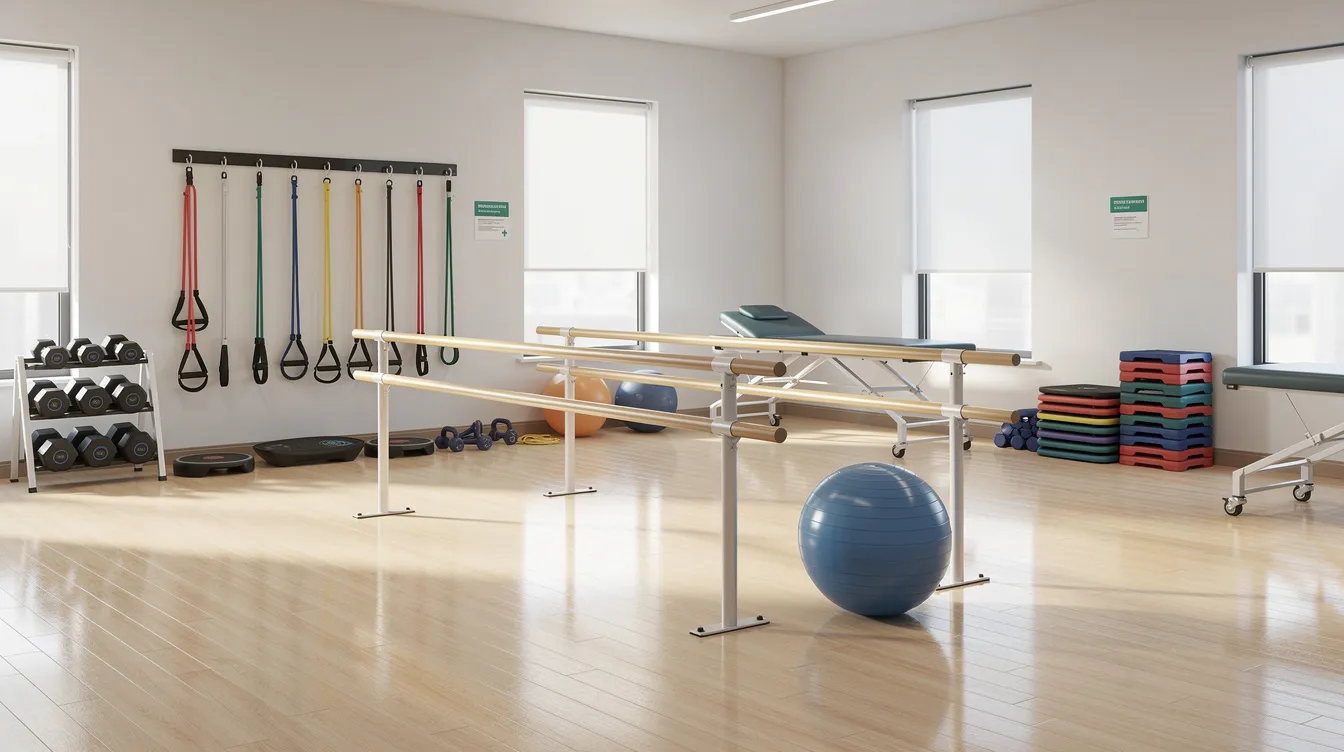
AristaCare at Abingdon's sub-acute unit is specifically designed for this recovery phase, with private and semi-private rooms, nursing stations close to beds, and therapy gyms on-site to minimize transfers and fatigue.
Day 1–3 in Short-Term Rehab: Admission, Evaluation, and Settling In
Patients typically transfer from area hospitals to AristaCare at Abingdon or another local skilled nursing facility by ambulance or medical transport, often on the same day as hospital discharge. The transition can feel abrupt-one moment you're in a hospital gown, the next you're wheeling into a new room.
The admission process includes:
- Nursing assessment - Full medical history review, vital signs, skin checks, fall-risk screening
- Medication reconciliation - Comparing hospital discharge orders with the facility's pharmacy to catch errors or gaps
- Safety checks - Bed alarm setup if needed, call-bell orientation, room arrangement for mobility
Within the first 24–48 hours, patients meet members of the interdisciplinary care team. A physical therapist evaluates gait and strength. An occupational therapist assesses ability to perform daily activities like dressing and showering. A speech therapist may evaluate swallowing and cognition if relevant. A dietitian reviews nutrition needs, and a social worker begins early discharge planning and addresses financial questions.
Real-world example: A patient who had a total knee replacement at a nearby hospital might arrive with weight-bearing restrictions and significant pain. Their early therapy sessions focus on safe transfers from bed to chair, gentle range-of-motion exercises, and learning to use a walker-all while the nursing staff manages pain medications and monitors the surgical incision for signs of infection.
Therapies You Can Expect: Physical, Occupational, and Speech Therapy
Three core rehab disciplines drive skilled nursing rehabilitation: physical therapy (PT), occupational therapy (OT), and speech-language pathology (SLP). They work as a coordinated team, sharing notes and adjusting goals together.
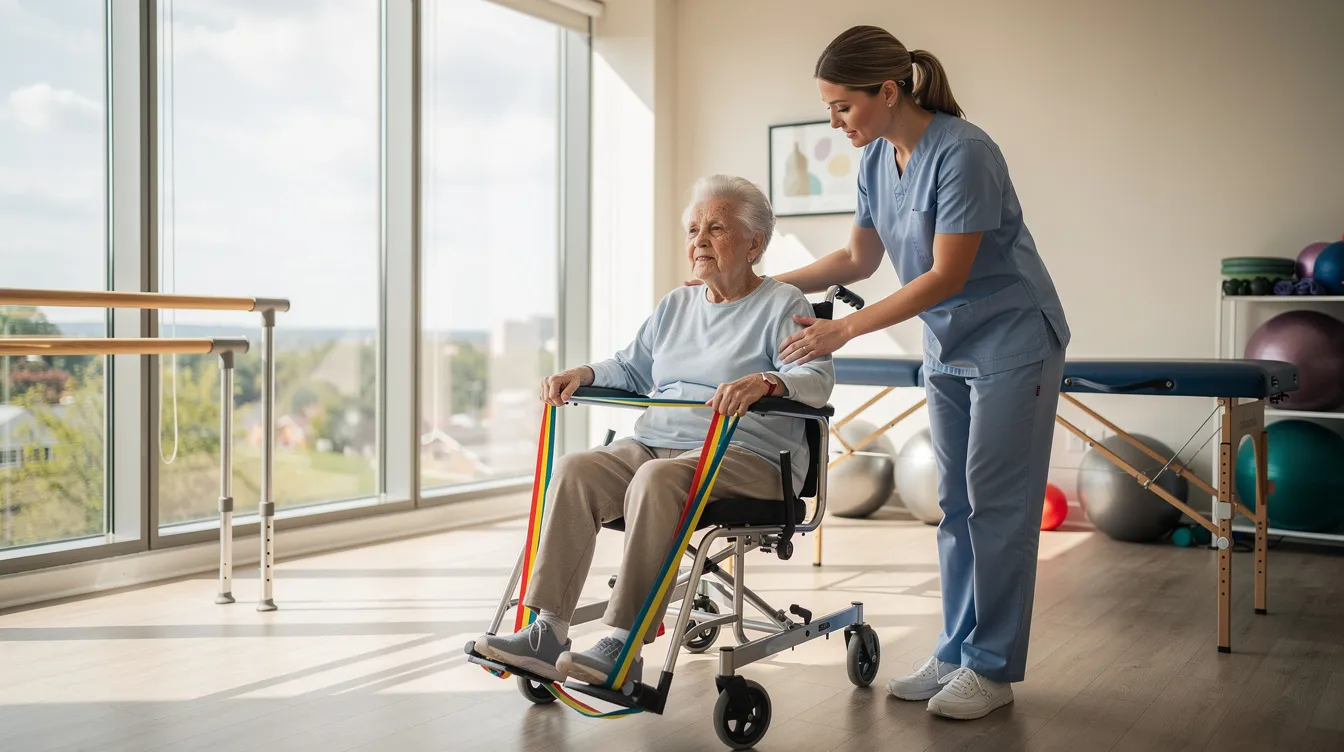
Physical therapy after surgery focuses on strength, balance, walking practice in hallways and therapy gyms, and safe use of walkers or canes. PT often begins as early as the first full day after admission. Patients may receive physical, occupational, and speech therapy depending on their diagnosis, and the rehabilitation services at AristaCare at Abingdon are available seven days a week to accelerate recovery.
Occupational therapy helps patients relearn the everyday skills they need when they return home in Green Brook-transferring in and out of bed, toileting, showering, dressing safely, and organizing a home environment that reduces fall risk.
Speech therapy may be needed after stroke, brain injury, or prolonged hospitalization. SLP addresses swallowing safety to prevent aspiration, communication skills, and cognitive functions like memory and problem-solving that are critical for independent living.
A Typical Day in a Skilled Nursing Facility Near You
What does a day actually look like for a short-term rehab patient at AristaCare at Abingdon or a comparable local facility? Here's a realistic schedule:
| Time | Activity |
|---|---|
| 6:30–7:30 AM | Vital signs check, medication administration, assistance with morning hygiene |
| 7:30–8:30 AM | Breakfast in the dining area or bedside |
| 9:00–10:00 AM | First therapy session (e.g., physical therapy) |
| 10:15–10:45 AM | Rest period or physician/NP rounds |
| 11:00 AM–12:00 PM | Second therapy session (e.g., occupational therapy) |
| 12:00–1:00 PM | Lunch |
| 1:30–2:30 PM | Afternoon therapy or speech therapy if applicable |
| 2:30–4:00 PM | Rest, recreational activities, or family visits |
| 5:00–6:00 PM | Dinner |
| 6:00–8:00 PM | Visiting hours, evening medications, personal time |
| 8:30–9:30 PM | Evening care routine, lights out at patient preference |
Most sub-acute rehab patients receive 1–2 hours of combined PT/OT per day, spread out with rest breaks, and many benefit from specialized medical programs for cardiac, pulmonary, and neurological recovery during their stay. Patients with more complex medical needs may have shorter, more frequent sessions.
Small practical details families always ask about: laundry is typically handled by the facility or brought home by family; showers are scheduled several times per week with nursing aide assistance; call-bells are within arm's reach at all times; and nursing staff responds around the clock, including overnight.
Medical Monitoring and Nursing Care in Skilled Nursing Facilities
One of the biggest benefits of a skilled nursing facility compared with going straight home is 24/7 nursing care and continuous medical monitoring. Skilled nursing facilities provide 24/7 medical supervision, which means a nurse is always available to respond to changes in a patient's condition-day or night.
Typical medical monitoring on a Green Brook skilled nursing unit includes:
- Vital signs checks multiple times per day
- Blood sugar monitoring for diabetic patients
- Daily weights for heart failure management
- Oxygen saturation and respiratory status tracking
- Wound assessment and dressing changes
Registered nurses coordinate with the patient's physician or nurse practitioner to adjust medications, order labs or x-rays, and respond to acute changes such as shortness of breath, chest pain, or worsening confusion, reflecting the comprehensive skilled nursing and rehabilitation focus at AristaCare at Abingdon in Green Brook, NJ. AristaCare at Abingdon's sub-acute unit is equipped for higher-acuity patients, with closer nurse-to-patient ratios, telemetry monitoring where indicated, and rapid transfer protocols back to acute care hospitals if a patient's condition deteriorates.
This level of treatment and supervision is what distinguishes a skilled nursing facility from assisted living or home recovery for patients with serious illness or recovering from complex medical procedures.
Skilled Nursing Facility Care and Medicare Coverage
Understanding Medicare coverage for skilled nursing facility care can prevent financial surprises. Here's the plain-language breakdown:
Medicare Part A covers up to 100 days of skilled nursing facility care per benefit period after a qualifying hospital stay. A 3-day inpatient hospital stay is required for coverage-observation-only stays do not count, which catches many families off guard.
- Days 1–20: Medicare Part A covers the first 20 days of skilled nursing care at the full approved amount. No coinsurance is owed by the patient.
- Days 21–100: A daily coinsurance applies (approximately $217 per day in 2026). A Medigap or secondary insurance policy may cover this cost.
- Beyond 100 days: Medicare does not cover additional skilled nursing facility care for that benefit period.
Medicare does not cover long-term custodial care in nursing homes. Once skilled needs and daily therapy requirements decline, coverage stops-even if the patient still needs help with daily living. Medicare may cover some medical care in assisted living facilities under certain circumstances, but that is a separate and narrower benefit.
We recommend contacting the admissions or billing office at AristaCare at Abingdon for up-to-date coinsurance amounts and pre-admission financial counseling.
Other Ways to Pay for Nursing Facilities in the Green Brook Area
Besides Medicare, families in Green Brook Township commonly rely on several other payment sources for nursing facility costs:
- Medicare Advantage plans - Often require prior authorization and may have narrower networks. Confirm whether specific skilled nursing facilities in Somerset County are in-network before admission.
- Private commercial insurance - Coverage terms vary widely. Some plans mirror Medicare benefits; others differ significantly.
- Medicaid (NJ FamilyCare / MLTSS) - Long-term nursing home care often transitions to Medicaid after a financial spend-down. An elder law attorney or social worker can help with planning and applications.
- Veterans benefits - U.S. veterans in the region may qualify for VA Aid and Attendance benefits to help cover room-and-board costs at contracted skilled nursing facilities or state veterans homes.
- Private pay and long-term care insurance - Some families use savings, home equity, or long-term care insurance policies.
To put costs in perspective: the U.S. national average for nursing home costs is approximately $5,847 per month. The monthly median cost for a semi private room nationally is around $9,384, while private room costs in high-cost markets like San Diego reach $12,167 per month. Nursing homes in San Diego cost $9,175 per month on average, illustrating significant regional variation. In the Green Brook area, reported daily rates at skilled nursing facilities range from $197 to $2,465 per day depending on room type and acuity, with AristaCare at Abingdon's base nursing home cost reported around $232.79 per day.
Short-Term Rehab vs. Other Types of Nursing Care Facilities
When families search for nursing facilities in my area, the results often mix together very different levels of care. Here's how they compare:
| Care Setting | Best For | Key Features |
|---|---|---|
| Acute care hospital | Unstable, critical conditions | Emergency and surgical intervention, ICU |
| Inpatient rehab hospital | Patients tolerating 3+ hours of therapy/day | Intensive daily therapy, physician-led |
| Skilled nursing facility (sub-acute rehab) | Medically stable but not safe at home yet | 1–2 hours therapy/day, 24/7 nursing, medical monitoring |
| Assisted living | Those needing some support but not medical care | Medication management, social activities, limited nursing |
| Home health care | Straightforward recovery with family support | Intermittent nurse/therapist visits at home |
Acute care hospitals in the area, such as RWJ Somerset, manage unstable medical conditions. Skilled nursing facility care supports recovery once a patient is medically stable but not yet safe at home.
Assisted living differs significantly from skilled nursing: assisted living provides some support and medication management but does not offer 24/7 medical monitoring, IV therapy, or intensive rehab programs. Nursing home costs in areas like San Diego are higher than assisted living costs, reflecting the difference in care intensity. For a detailed comparison of these options locally, see Assisted Living vs. Skilled Nursing Facilities in Green Brook.
Home health agencies can provide intermittent nursing and therapy at home but cannot deliver the same level of continuous observation and rapid response that sub-acute skilled nursing units provide.
Convalescent Care and Post-Hospital Recovery
Convalescent care is typically short-term recovery support provided after hospital discharge. It focuses on rest, gradual rehabilitation, and stabilization of complex conditions-usually inside a skilled nursing facility. Convalescent care is for individuals recovering from serious health events, and convalescent homes focus on recovery after surgery or illness specifically.
Typical scenarios where a Green Brook resident might need convalescent care include:
- Recovering from hip fracture surgery after a winter fall
- Stroke recovery requiring close blood pressure monitoring and therapy
- Pneumonia with lingering weakness and deconditioning
- Cardiac surgery recovery requiring wound care and supervised activity progression
Services include medical monitoring, rehabilitation, and personal care assistance-all coordinated within the convalescent care facilities. Convalescent care is ideal for seniors needing extended recovery support beyond what a brief hospital stay can provide, and it is often a bridge to home or long-term care depending on the patient's progress.
Convalescent care helps reduce hospital readmission rates by catching complications early-medication reactions, wound infections, falls-before they become emergencies that send patients back to the ER. At facilities like AristaCare at Abingdon, this kind of care provided within a structured, caring environment promotes healing and supports regaining strength at a safe pace.
Acute Care vs. Sub-Acute Care: Where Does a Skilled Nursing Facility Fit?
Many families first hear the terms "acute care" and "sub-acute care" when doctors discuss discharge plans after surgery or serious illness. The difference is straightforward:
- Acute care refers to hospital-level treatment for unstable conditions-surgery, ICU stays, emergency stabilization
- Sub-acute care is a step-down level of care with daily therapy and ongoing nursing support, but less medical intensity than a hospital
AristaCare at Abingdon's new sub-acute unit is designed to serve patients who have left the acute hospital but still require skilled nursing, medical monitoring, and multiple therapy sessions per week. The unit features advanced technology including telemetry monitoring and on-site diagnostic capabilities that reduce the need for hospital transfers.
The choice between an inpatient rehab hospital and sub-acute rehab depends on factors such as the patient's ability to tolerate three hours of therapy per day, insurance coverage, and physician recommendations. Most older adults recovering from joint replacement, cardiac events, or prolonged illness do well in a sub-acute setting.
Specialized Programs at AristaCare at Abingdon: Memory Care, Cultural Programs, and More
Not all skilled nursing facilities in the Green Brook area offer the same specialized programs. AristaCare at Abingdon differentiates itself with targeted services that go beyond standard medical care to address the whole person.
The Nostalgia Park memory care program is a structured memory care environment with secure units, cognitively engaging activities, and personalized routines for residents with Alzheimer's disease and other dementias. The program delivers intellectually stimulating and emotionally fulfilling engagement-not just supervision.
AristaCare's Cultural Programs respect the traditions, languages, and dietary needs of culturally diverse patients from central New Jersey. This includes Chinese, Indian, Spanish, and Polish programming, faith-based observances, and familiar cuisine-details that matter deeply to families and residents alike.
The Quality Experience and Heartfelt Moments initiatives focus on meaningful engagement, family communication, resident feedback, and small touches like milestone celebrations that improve quality of life during what can otherwise be a difficult and isolating time.
Long-Term Care and Memory Care in the Green Brook Area
When short-term rehabilitation goals are met-or when a chronic condition progresses-some patients and families transition to long-term care or dedicated memory care instead of returning home. Skilled nursing facilities may offer long-term care services alongside their rehabilitation programs, allowing continuity of care within one building.
Long-term care in a skilled nursing setting involves many of the services outlined in Abingdon’s long-term care program, including:
- Consistent caregivers who know the resident's preferences and history
- Structured daily routines with meals, activities, and rest
- Ongoing nursing assessments and chronic illness management (heart failure, COPD, Parkinson's disease)
- Regular physician visits and medication adjustments
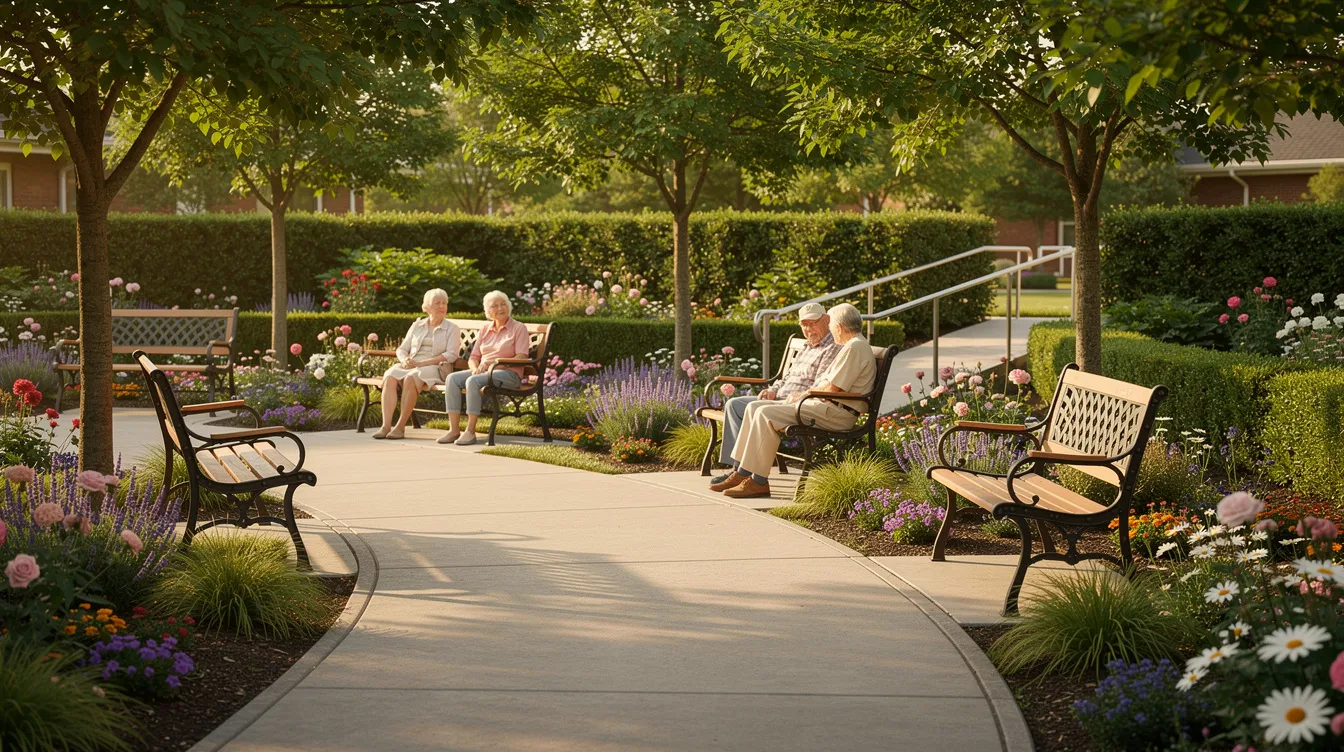
Memory care units within nursing facilities add secured doors, wander-prevention technology, specialized staff training, and environmental design that reduces confusion and agitation, similar to the structured, engaging approach of Nostalgia Park’s senior memory care programs. These features matter for active seniors whose cognitive decline makes independent living unsafe, and therapeutic recreation-based memory care at Nostalgia Park shows how structured activities can support emotional and cognitive well-being.
Families in Green Brook, Middlesex, and Somerset counties often prioritize staying close to home for long-term care so they can visit regularly and maintain the community connections that sustain both residents and their family members, and many appreciate being able to preview Abingdon’s post-hospital and memory care environment before making a decision.
Planning Your Stay: What to Pack for Short-Term Rehab
Packing for a skilled nursing facility can feel stressful, especially when hospital discharge happens quickly. Here's a practical guide:
Clothing and comfort:
- Loose, comfortable clothing (sweatpants, t-shirts, button-front tops)
- Sturdy non-slip shoes or sneakers for therapy
- A robe and slippers for evening
- Familiar items like photos, a favorite pillow, or a small blanket
Documents and medical items:
- Current medications list and pharmacy contact
- Copies of advance directives (healthcare proxy, living will)
- Insurance cards and photo ID
- Glasses, hearing aids, and dentures in labeled cases
Daily essentials:
- Cell phone and charger
- Personal toiletries (the facility provides basics, but most people prefer their own)
Label all belongings with the resident's name and room number-particularly useful in busier sub-acute units and memory care neighborhoods where items can be mixed up during laundry. AristaCare at Abingdon admissions staff can provide a customized packing checklist by email or phone before arrival.
Working With Your Care Team: How to Communicate and Set Goals
Recovery and rehabilitation are most successful when patients, families, and the skilled nursing facility care team share clear goals and open communication. The difference between a productive stay and a frustrating one often comes down to how well everyone communicates.
Care conferences are typically held within the first 1–2 weeks of admission, and they are a key part of Abingdon’s Quality Experience and Heartfelt Moments approach to keeping residents and families informed and involved. These bring together nursing, the therapy staff, social work, and dietary staff to review progress and update the plan of care. Family members are encouraged to attend.
Come prepared with questions:
- What are the specific walking goals for this week?
- When will stair-climbing practice begin?
- How is pain being managed, and can the plan be adjusted?
- What does return home to a two-story house look like?
If out-of-town relatives cannot attend in person, ask if they can join conferences by phone or video call. The social worker or case manager is usually the primary point person for family communication-get their direct contact information on day one.
How Progress Is Measured During Skilled Nursing Rehabilitation
Therapists don't just work with patients-they measure progress systematically using functional assessment tools. These include mobility scores, ADL assistance levels (how much help a person needs with daily activities), and standardized therapy outcome measures that track improvements week over week.
Therapists reassess at least weekly and update goals to gradually move from heavy assistance to supervision or independence with tasks like:
- Transferring from bed to chair
- Walking specific distances (50 feet, 150 feet, full hallway)
- Climbing and descending stairs
- Managing self-care tasks like showering and dressing
Medical outcomes are also tracked: improved lab results, stable vital signs, wound healing progress, and better pain control all factor into discharge decisions. Physicians review these metrics alongside therapy reports to determine when a patient is safe to return home.
Ask for specific benchmarks. If your loved one needs to climb 10–12 stairs to reach their bedroom in Green Brook, that becomes a measurable goal the therapy staff can work toward. Knowing the target helps families understand where they are in the recovery timeline.
Rehab Discharge Planning: From Facility Back to Home
Safe discharge planning is a process, not a single day. It typically begins within the first several days of a skilled nursing facility stay-sometimes even before admission. AristaCare at Abingdon's comprehensive transition to home process is designed to promote healing while preparing patients and families for what comes next.
The care team conducts a home safety assessment, either through patient and family interviews or sometimes virtual home tours, to identify needs such as:
- Grab bars in the bathroom
- Ramps or stair modifications
- Moving the bedroom to the first floor
- Removing tripping hazards like loose rugs
Discharge planning also involves arranging home health services, ordering durable medical equipment (walker, wheelchair, bedside commode), scheduling follow-up appointments with surgeons or primary care physicians, and organizing transportation back to the Green Brook residence.
Families should receive clear written instructions about medications, activity restrictions, wound care, and warning signs that warrant calling the doctor or returning to the hospital. If you don't receive these, ask for them explicitly before leaving the facility.
When Short-Term Rehab Becomes Long-Term Nursing Home Care
Sometimes, during a skilled nursing facility stay, it becomes clear that a patient will not safely regain enough independence to return home-even with family support. This can be one of the hardest conversations a family faces.
The care team communicates this reality compassionately, explains long-term care options, and helps families in Green Brook and surrounding towns explore financial pathways such as Medicaid applications and spend-down planning, a process often informed by feedback and testimonials from other patients and families.
When possible, residents can remain in the same building. At AristaCare at Abingdon, a patient might transition from the sub-acute rehab unit to a long-term care unit, which minimizes disruption and allows continuity with familiar staff, routines, and even friendships formed during the rehab stay.
Families should consider quality of life factors in long-term placement decisions: activity programming, spiritual services and hospice care availability, outdoor access, and cultural or language supports that help residents maintain their identity and dignity.
How to Compare Nursing Facilities in Your Area
Within a 10–15 mile radius of Green Brook, families can choose among approximately 41 skilled nursing facilities and nursing homes. With that many options, objective comparisons matter.
Start with these tools:
- Medicare Care Compare - This official tool helps view Medicare-certified nursing homes by location, and Medicare's Care Compare provides quality measures for nursing homes including star ratings, staffing data, and health inspection results. Official tools can help find nursing facilities by ZIP code or city.
- State health department reports - State health departments provide recent survey results and citation histories for nursing facilities. Local health departments often publish lists of nursing facilities and review inspections as well.
- Trusted evaluation resources include government-mandated star ratings for nursing facilities, which offer a standardized way to compare quality.
Key comparison points during your search:
- Staffing ratios (RN and CNA hours per resident per day)
- Availability of on-site rehab seven days a week
- Presence of specialized programs (memory care, cultural programs)
- Cleanliness and overall facility condition
- Staff friendliness and responsiveness during tours
In-person tours can evaluate cleanliness and staff-to-resident interaction in nursing homes far better than any website. Family recommendations and prior doctor affiliations can also aid in selecting nursing homes that are the right fit. AristaCare at Abingdon offers tours and virtual visits so families can see the sub-acute unit, therapy gym, and Nostalgia Park memory care neighborhood before making a decision.
Questions to Ask When Touring a Skilled Nursing Facility or Nursing Home
Bring this list when you visit care facilities in the Green Brook area. Having specific questions prevents the visit from becoming a passive walkthrough.
Questions about care:
- What is your nurse-to-patient ratio on each shift?
- How often will my loved one receive physical therapy and other therapy services?
- Is there a physician or nurse practitioner on-site daily?
- How do you handle after-hours medical emergencies?
Questions about safety and quality:
- How do you prevent falls for recovering patients?
- What is your process for notifying family after a change in condition?
- How did your facility manage infection control during the COVID-19 pandemic?
- What are your most recent state inspection results?
Questions about life in the facility:
- What is on a typical activities calendar?
- Can you accommodate my loved one's cultural or religious practices?
- What are your visiting hours for families coming from Green Brook and surrounding towns?
- How do meals work-is there a choice of menu?
Frequently Asked Questions About Nursing Facilities and Short-Term Rehab
These questions cover practical details not fully addressed in the sections above and reflect what families in the Green Brook area most often ask.
How long does the average short-term rehabilitation stay last?
The typical stay in a skilled nursing facility after surgery or illness ranges from 10 to 30 days, though it can be shorter or longer depending on the procedure, overall health, and insurance coverage limits. Joint replacements tend toward the shorter end, while complex cardiac surgeries or strokes may require longer stays. Medicare coverage can extend up to 100 days when medically necessary, but the majority of Green Brook-area patients discharge home by the three- to six-week mark. Data from area facilities show an average Medicare length of stay around 56 days.
Can I choose which skilled nursing facility I go to after the hospital?
Yes. Patients and families have the right to choose among Medicare- or insurance-certified skilled nursing facilities that have available beds, even though hospital case managers may provide a shortlist of convenient local options. If you want post-hospital rehabilitation close to home in Green Brook Township, ask specifically about AristaCare at Abingdon during your discharge conversation. The hospital cannot force you to go to a particular facility.
What is the difference between home health care and going to a skilled nursing facility?
Home health care sends nurses and therapists to the patient's residence for short visits a few times per week. Skilled nursing facilities provide 24/7 medical care and rehabilitation with on-site physicians, nursing staff, and rapid access to diagnostics. Home health may be sufficient for straightforward recoveries with strong family support at home, but skilled nursing rehabilitation is safer for those with higher fall risk, multiple medications, limited available caregivers, or other types of complex medical needs.
Can family members visit and participate in therapy sessions?
Most nursing facilities near Green Brook, including AristaCare at Abingdon, welcome family involvement, encourage visits, and often invite relatives to observe or join therapy sessions near discharge. This is especially valuable for learning safe techniques for helping at home-how to assist with transfers, manage a walker on stairs, or support daily activities safely. Check current visitation policies, as they can change based on infection control guidance or seasonal illness trends.
What happens if my loved one isn't ready to go home when insurance coverage ends?
The care team will discuss options well in advance. These may include appealing the insurance decision, transitioning to long-term nursing home care within the same facility, applying for Medicaid, or arranging intensive home care support if appropriate. Social workers and financial counselors at AristaCare at Abingdon guide families through these decisions so no one is discharged without a safe plan in place. Early conversations about this possibility reduce stress and give families time to prepare.
Ready to Explore Nursing Facilities in Your Area? Why Families Choose AristaCare at Abingdon
Searching for nursing facilities in my area is often the starting point of a journey no family plans for. At AristaCare at Abingdon in Green Brook, NJ, we understand the urgency, the uncertainty, and the weight of the decisions you're facing, and our contact team is available 24/7 to answer questions and coordinate next steps.
Our skilled nursing facility offers short-term rehabilitation, long-term care, memory care, and respite care to residents of the 08812 area and surrounding communities. Concrete features that set us apart include:
- A modern sub-acute unit with private and semi-private rooms
- On-site physical, occupational, and speech therapy available seven days a week
- Robust discharge planning focused on a smooth transition home
- Specialized programs including Nostalgia Park memory care and Cultural Programs, supported by a dedicated team of nurses, therapists, and other professionals committed to resident care
- A patient-centered Quality Experience and Heartfelt Moments approach that aligns with our broader sub-acute care and rehabilitation philosophy
If your loved one is currently hospitalized and the medical team has suggested skilled nursing facility care, early planning often leads to better placements and smoother transitions.
Contact our admissions team to schedule a tour, ask questions about skilled nursing, nursing homes, short-term rehabilitation, and payment options, or simply talk through your situation with someone who understands what you're going through. We're here to help you navigate the next steps with confidence.